
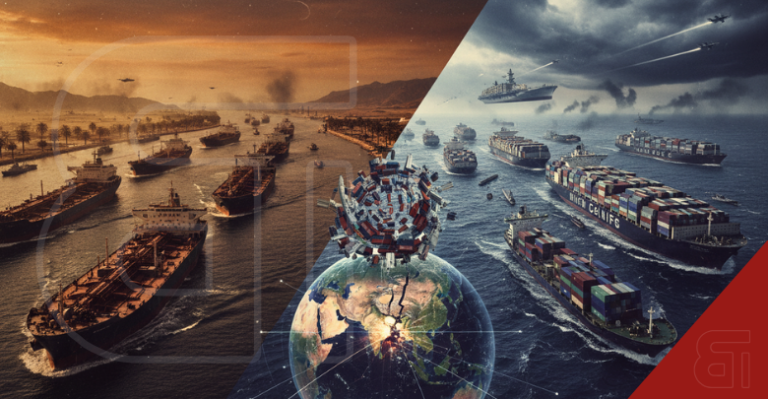
A potential US-China conflict in the Pacific would devastate global trade, making the Strait of Hormuz crisis look minor.
A potential conflict between China and the US in the Pacific would devastate global maritime trade. Consequently, the current disruptions in the Strait of Hormuz serve merely as a preliminary exercise. Singaporean Foreign Minister Vivian Balakrishnan delivered this stark warning during a recent regional economic forum. He noted that the Middle Eastern shipping crisis highlights the immense vulnerability of global trade chokepoints.
The minister shifted focus towards the even narrower Strait of Malacca. This crucial Asian waterway spans just two nautical miles at its tightest point. In contrast, the Strait of Hormuz measures twenty-one nautical miles across. Therefore, any superpower clash in Asia would trigger an unprecedented collapse of the global supply chain.
Iranian authorities recently considered imposing transit tolls on vessels navigating Middle Eastern waters. Balakrishnan stated that Singapore views such actions as a severe risk to international commerce. However, regional nations hold a strategic interest in keeping the Strait of Malacca completely open. Furthermore, he emphasised that freedom of navigation remains a non-negotiable right under maritime law.
Specifically, international agreements prevent coastal states from hampering or suspending transit passages. Singapore strictly adheres to these conventions and refuses to participate in any toll collections. The city-state also maintains a delicate geopolitical balance between Washington and Beijing. The US operates as the largest foreign investor in the Southeast Asian nation.
Around 6,000 American companies operate locally, creating a trade deficit of roughly $3.6 billion for Singapore. Meanwhile, China remains the top trading partner for the vital financial centre. Singapore also heavily invests in Chinese markets, cementing deep economic ties with both superpowers. Consequently, the government fiercely rejects any external pressure to choose a definitive side.
Balakrishnan clarified that his nation acts purely on its long-term sovereign interests. Singapore aims to provide value on the global stage without becoming a geopolitical pawn. In this era of rising tariffs and conflict, building institutional trust becomes increasingly vital. He argued that reliability significantly lowers overall transaction costs for international businesses.
Deputy Prime Minister Gan Kim Yong echoed these sentiments during his keynote address. He warned that nations must actively build and strengthen international trust. Moving forward, the city-state plans to expand its ecosystem for trust-based services. Ultimately, this will include advanced risk management, cybersecurity, and artificial intelligence governance.
(Source: CNBC)
To read more on Energy News (https://www.btabloid.com/category/energy/), head to the 🔗 link.


