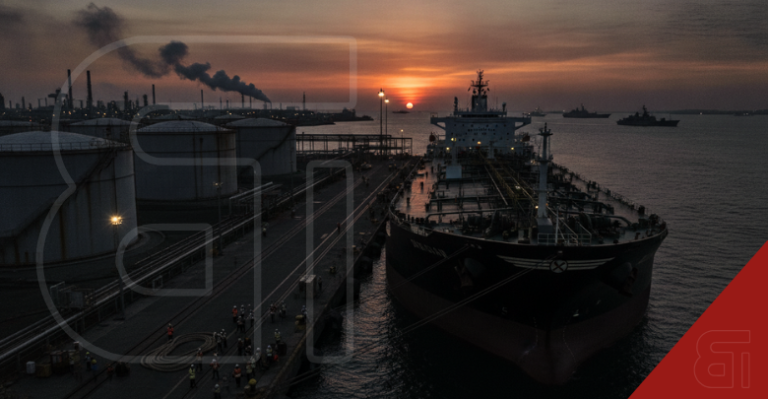
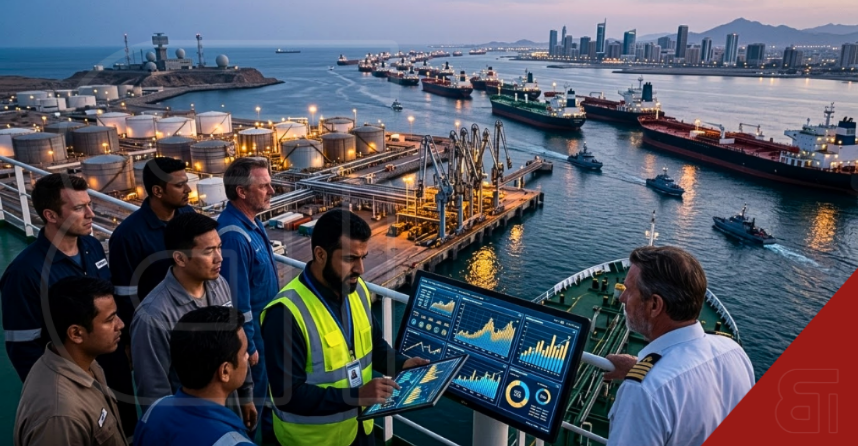
Geopolitical tensions in the Middle East have pushed global oil prices significantly past $100 per barrel.
Global oil prices surged remarkably beyond $100 per barrel on Monday. Consequently, this increase reflects deep disruptions in Middle Eastern supply chains. Furthermore, the ongoing US-Israeli conflict with Iran severely impacts international energy markets. Meanwhile, Iran recently named Mojtaba Khamenei to succeed his father as supreme leader.
This leadership transition indicates that hardline political factions maintain firm control. Subsequently, Asian stock markets experienced a rapid nosedive due to market anxiety. Specifically, oil prices skyrocketed over 25% to reach mid-2022 peak levels. Therefore, major regional oil producers drastically cut their global supply output.
These nations cannot safely send shipments through the volatile Strait of Hormuz. Traffic across this crucial maritime corridor halted after multiple tanker attacks. Consequently, this blockade chokes a vital artery managing 20% of global oil. Additionally, worldwide refiners face immense pressure due to restricted liquid natural gas.
Brent crude futures jumped significantly by 27% to $117.65 per barrel. Simultaneously, US West Texas Intermediate crude futures climbed 28.3% to $116.62. Thus, these figures represent the largest single-day price leap in history. Moreover, the conflict forced immediate production stoppages across several exporting nations.
Gas and oil exporters from Qatar to Iraq face severe operational hurdles. Additionally, Kuwait officially announced immediate production cuts over the past weekend. Analysts predict Saudi Arabia and the UAE will soon reduce their output. Eventually, these nations might completely exhaust their available oil storage capacities.
Iran holds extensive energy infrastructure, complicating the global supply matrix. For instance, major oil fields like Ahwaz, Marun, and Gachsaran remain vulnerable. Furthermore, the South Pars gas field represents a critical regional asset. Consequently, disruptions at export facilities like Kharg Island severely impact global trade.
Key export hubs including Bandar-e Mahshahr, Asalouyeh, and Jask face logistical nightmares. Similarly, major oil refineries in Tehran, Abadan, and Esfahan risk operational delays. Meanwhile, G7 finance ministers plan to discuss emergency oil reserve releases. The Financial Times reported that the International Energy Agency will coordinate this.
Three G7 nations, including the US, already support this joint initiative. Furthermore, a senior Japanese official confirmed preparations for crude oil releases. The Japanese government instructed national storage sites to prepare immediately. Consequently, Japan urgently needs alternatives as it relies heavily on Middle Eastern crude.
Approximately 70% of Japanese oil transits directly through the Strait of Hormuz. Therefore, the current price spike heavily burdens major Asian financial markets. Specifically, Japan’s Nikkei index dropped sharply by a concerning 5.8%. Finally, South Korea’s import-reliant economy saw its markets fall by 6.5%. (Reuters)
To read more on Energy News, head to the 🔗 link.