
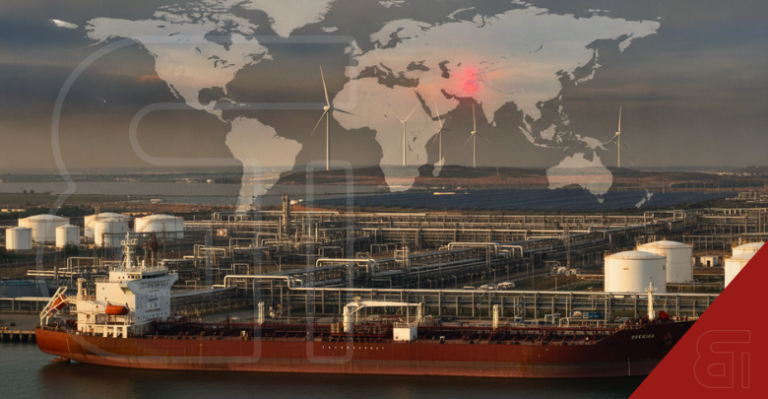
Surging crude oil prices risk inflating India’s economy while accelerating the urgent shift towards renewable energy investments.
Reinstated US sanctions on Iran disrupt global oil markets, exposing India’s heavy reliance on imported crude.
Geopolitical tensions have recently intensified in the Middle East. Consequently, global crude oil markets face severe disruptions. The United States recently reinstated strict sanctions on Iran. This move immediately sent Brent crude prices soaring higher.
Therefore, India is confronting renewed threats to its economy. The nation currently imports over 85 per cent of crude. As a result, India remains highly vulnerable to supply shocks. Experts note Iranian supply pressures highlight this structural vulnerability.
Any disruption near the Strait of Hormuz worsens economic exposure. Such sudden price surges directly increase the national import bill. They also escalate domestic inflation and stress the Indian rupee. However, India has aggressively pursued green alternatives recently.
The government heavily promotes biofuel blending and electric mobility. Despite these efforts, India still lacks absolute energy independence. Analysts recommend treating the renewable transition as a security strategy. Every new gigawatt of domestic power serves as a hedge.
Meanwhile, macroeconomic experts are carefully analysing the financial fallout. Sustained oil price hikes might widen the current account deficit. Higher realisations could initially benefit domestic crude oil producers. This assumes the government avoids imposing excessive windfall taxes.
Conversely, oil marketing firms face risks if pump prices hold. Market analysts observed swift reactions to the collapsed ceasefire. Reports highlight that regional tanker traffic has essentially halted. Increasing investments in renewable infrastructure remains essential for stability.
(Source: ET Energy World)
To read more on Energy News, head to the 🔗 link.