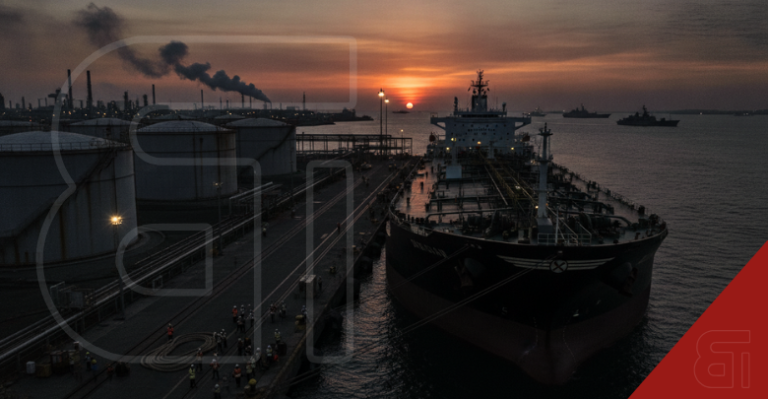
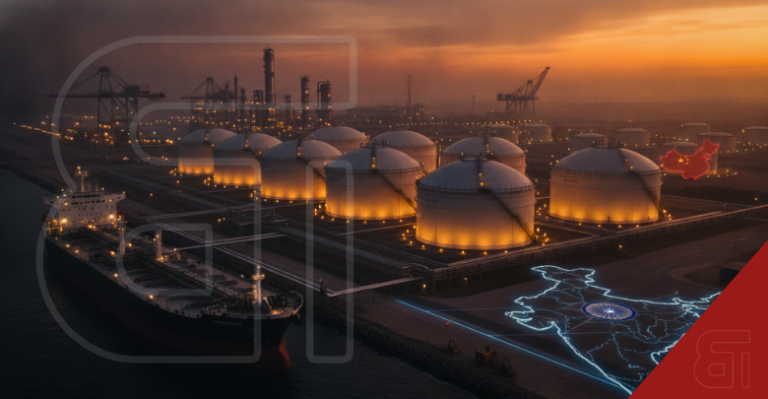
Domestic refiners face major costs as the government considers a massive expansion of national crude stockpiles.
India evaluates a costly mandate for refiners to double crude inventories amid growing global supply threats.
Global supply chain vulnerabilities expose big risks for energy-dependent nations. Consequently, Indian officials are evaluating a new strategy. They want domestic refiners to build massive crude oil stockpiles. This approach mirrors existing energy policies in China.
The strategy aims to shield the economy from sudden disruptions. Such supply shocks often stem from conflicts involving Iran. Currently, local refiners maintain operational reserves for roughly fifteen days. However, the proposed framework demands significantly higher inventory levels.
The preliminary plan requires doubling these national stock levels. Therefore, energy companies would need to store 150 million barrels. Daily national consumption stands at five million barrels. Corporate stakeholders anticipate heavy financial burdens from this directive.
Industry insiders suggest significant resistance from the refining sector. Building new storage infrastructure requires substantial capital expenditure. Furthermore, simply purchasing extra crude could cost around ₹60,000 crore. These massive investments would take several years to execute fully.
Meanwhile, experts recommend offering operational flexibility to these companies. Refiners prefer constructing new storage tanks near major trading ports. This location strategy allows seamless trading in international markets. Subsequently, the nation could emulate the successful hub model of Singapore.
Geopolitical tensions near the Strait of Hormuz necessitate this shift. Policymakers historically relied on geographical proximity to the Persian Gulf. Experts realise this proximity offers no real supply protection. Hence, expanding strategic petroleum reserves remains an absolute necessity.
Late last year, national strategic stocks totalled 21 million barrels. Conversely, Chinese reserves exceeded 1,300 million barrels during that period. American and Japanese stockpiles also dwarf the current domestic inventory. Ultimately, securing continuous energy access requires immediate and sweeping reforms.
(Source: ET Energyworld)
To read more on Energy News, head to the 🔗 link.