Bharat Petroleum commits Rs 5,000 crore to double storage capacity to secure national energy demands amid Middle East tensions.
India is accelerating a massive infrastructure push to secure a 30-day strategic LPG reserve.
Global geopolitical instability has severely exposed India’s energy vulnerabilities. The nation is fundamentally restructuring its strategic fuel reserves. State-run oil marketing firms are actively developing a thirty-day storage plan. This initiative specifically targets liquid petroleum gas reserves.
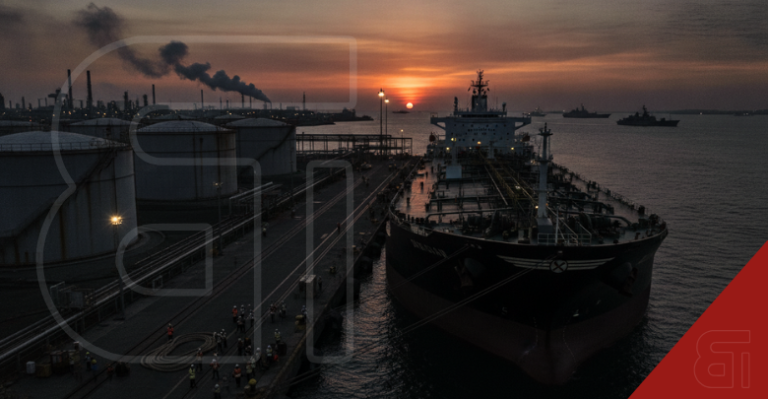
Middle Eastern conflicts recently disrupted critical supply routes. Specifically, the Iran war significantly affected shipments transiting the Strait of Hormuz. Therefore, India realised the urgent need for a robust supply chain. Officials are now prioritising supply chain resilience over immediate cost savings.
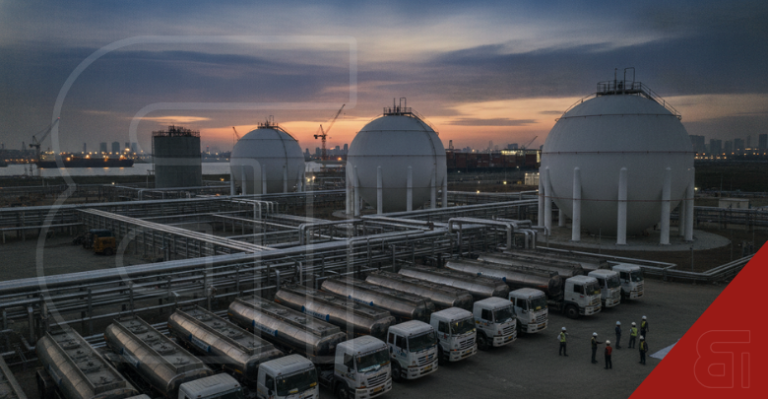
Bharat Petroleum Corporation Ltd leads this massive infrastructure overhaul. The firm plans an ambitious investment of Rs 5,000 crore. Consequently, this capital will nearly double its capacity to 340 thousand metric tonnes. Other state firms are quietly preparing similar expansion blueprints.
India currently imports roughly sixty per cent of its total requirements. A staggering 90 per cent traverses the volatile Strait of Hormuz. As a result, the government aims to dramatically diversify its import origins. Companies will soon secure long-term contracts with American and European suppliers.
Industry leaders indicated that diversifying import sources could minimise total storage needs. Lower storage requirements would significantly reduce necessary capital expenditure. However, the final capacity relies entirely on government methodologies. Authorities must soon decide how to accurately calculate the thirty-day buffer.
An anonymous executive stated that stakeholders have presented multiple viable frameworks. Policymakers must finalise one specific approach before investments can begin. The primary debate involves whether to calculate based on total consumption or on remaining supply risks. Thus, a strategic decision remains crucial for national energy security.
Current national reserves offer merely eighteen days of overall coverage. Bottling plants provide a critically low average of just five days. Earlier this year, temporary booking restrictions helped manage the sudden market crisis. Currently, supply chains have normalised following these stringent government interventions.
Engineers are exploring diverse infrastructure options to support this strategic vision. These solutions include massive underground caverns and floating maritime facilities. Moreover, expanded onshore storage will play a vital infrastructural role. This comprehensive strategy will permanently secure domestic market stability.
(Source: ET EnergyWorld)
To read more on Energy News, head to the 🔗 link.