
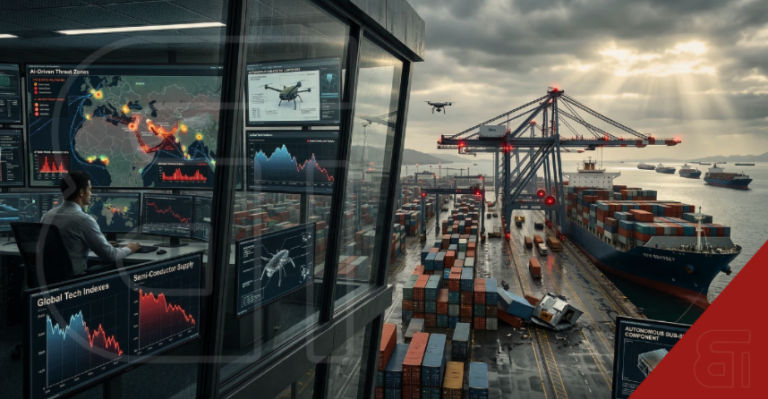
The unprecedented integration of artificial intelligence into the Middle East conflict severely threatens global tech sectors.
The escalating Middle East conflict marks a profound shift in modern geopolitical warfare. Consequently, artificial intelligence now dictates battlefield strategies.
United States forces currently utilise sophisticated algorithms for precise strike targeting. Simultaneously, Israeli military units extensively deploy automated cyber tools.
These sophisticated cyber operations recently crippled vital Iranian financial networks. Furthermore, Israeli strikes successfully damaged active Iranian nuclear research facilities.
Advanced satellite constellations provide Israeli commanders with real-time surveillance capabilities. Therefore, they currently maintain a temporary tactical and aerial advantage.
Iran consistently relies upon its well-established tactical triad for regional defence. This strategy incorporates Shahed 136 drones alongside ballistic missiles.
This rapid militarisation of technology severely impacts global business operations. Consequently, major technology corporations face unprecedented regional operational challenges.
Companies including Amazon, Google, and Nvidia recently activated emergency regional protocols. They must urgently protect their Middle Eastern staff today.
Manufacturing giant Foxconn officially warned about severe market consequences recently. The ongoing crisis will likely inflate global raw material prices.
Energy markets also face significant pricing pressures from these sudden disruptions. Moreover, Information Services Group predicts substantial IT sector instability.
These regional supply chain bottlenecks could cause worldwide economic friction. Ultimately, this technological conflict presents severe challenges for global markets. (Source: BBC, Medium, The Economic Times)
Read more on Technological News, by heading to the 🔗 link.


