
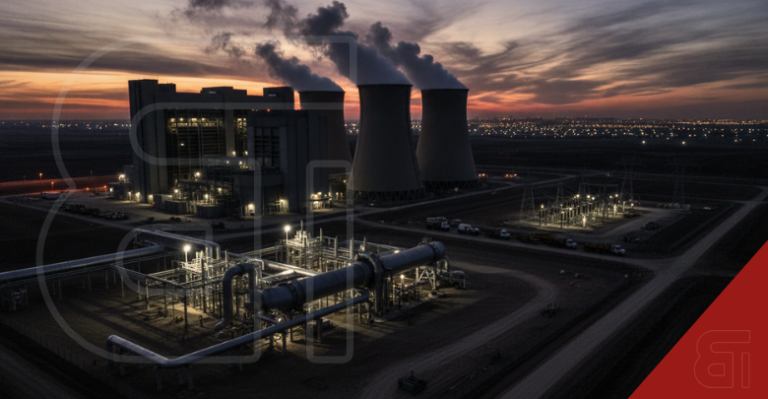
Utilities are building massive new natural gas plants to support booming artificial intelligence demand.
Surging demand for computing power is forcing energy providers to rapidly construct vast natural gas facilities.
The global energy landscape is currently undergoing a massive transformation. As a result, utilities are rapidly expanding their natural gas portfolios. Specifically, this shift aims to meet surging energy demands from technology. In particular, artificial intelligence facilities require unprecedented amounts of electricity.
Initially, technology companies relied heavily on existing power grids. Amazon constructed a massive computing facility in Indiana. The company achieved this without building new power stations. Furthermore, they cleverly utilised infrastructure remaining from the coal era.
This strategic move greatly benefited the local community. By paying substantial fees, the corporation enriched the regional utility. Therefore, Indiana Michigan Power successfully reduced typical residential annual bills. Customers saved around $100 every single year.
The technology giant strongly preferred this efficient expansion method. Corporate representatives previously noted its inherent logistical advantages. They stated that using existing grids avoids the need for lengthy regional transmission construction. However, such ideal locations are now increasingly scarce globally.
Unprecedented growth in computing has drastically exhausted existing grid capacity. Companies must now actively fund brand new power generation. In our current era, this usually necessitates natural gas facilities. Therefore, a massive pipeline of fossil fuel projects is emerging.
Experts recently uncovered extensive corporate plans in West Texas. Amazon reportedly intends to construct a sprawling energy complex there. This specific project will generate roughly 7.65 gigawatts of electricity. Additionally, analysts identified seven other similar generation sites nationwide.
Independent energy producers are developing massive generation capacities. They are currently building 17.5 gigawatts of fresh gas power. Remarkably, this total eclipses that of typical major metropolitan areas. It actually represents significantly more energy than New York City uses.
Meanwhile, developers also proposed a vast facility in Pennsylvania. This site will effectively power a massive corporate computing campus. Planners intend to use advanced combined-cycle turbines for generation. Furthermore, they have already secured essential pipeline agreements and construction labour.
Industry experts remained highly sceptical of this specific proposal. The ambitious project originally lacked a definite commercial buyer. However, recent corporate agreements completely transformed the financial reality. Satellite imagery now confirms that construction at the site has begun.
Engineers expect these new turbines to operate by next year. Ultimately, this trend signals a major shift in energy infrastructure. Technology demands are clearly reshaping traditional power generation strategies. Consequently, fossil fuels remain crucial for modern digital advancement.
(Source: Climate Change Resources)
Read more Climate Change News by clicking the 🔗 link.


