
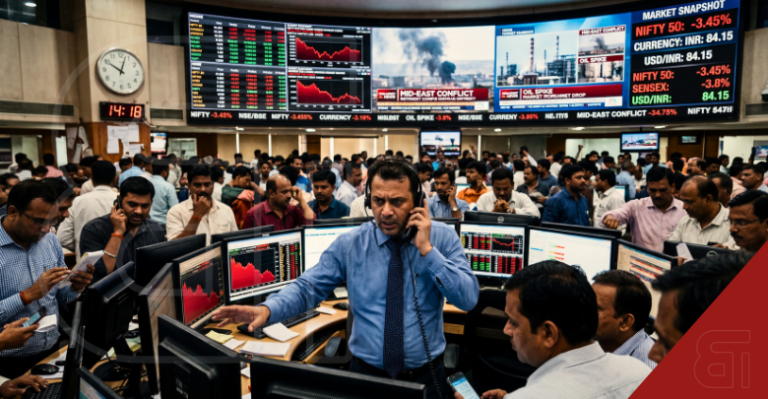
The escalating Middle Eastern conflict is causing severe energy shortages, currency depreciation, & market volatility across major Indian industries.
The escalating conflict in the Middle East is severely impacting international trade. Therefore, Indian supply chains face unprecedented operational disruptions. Several major sectors are navigating sudden resource shortages. The crisis has triggered immediate macroeconomic consequences. Consequently, the central banking authority has escalated its market interventions.
Energy market volatility remains a primary concern for the subcontinent. Global oil prices previously surged past $110 per barrel. However, recent diplomatic remarks provided temporary market stabilisation. The Strait of Hormuz continues to experience severe maritime blockages. Additionally, crucial natural gas shipments have halted entirely.
India relies heavily on foreign liquefied natural gas. The sudden production halt in Qatar has disrupted domestic supplies. Major state-backed distributors immediately restricted industrial gas allocations. Consequently, fertiliser producers are announcing significant manufacturing cuts. These reductions threaten upcoming agricultural planting seasons.
The government is actively exploring alternative import strategies. Officials maintain that domestic agricultural supplies will remain adequate. Meanwhile, the ceramic manufacturing industry is reducing factory output. Industrial kitchens also report severe fuel cylinder deficits. Furthermore, export-heavy sectors are experiencing substantial logistical delays.
Airspace closures are disrupting lucrative international trade routes. The jewellery sector faces suspended diamond shipments from abroad. Similarly, major steel producers are issuing warnings about delayed deliveries. Consequently, domestic cooking gas prices have increased recently. Retail automotive fuel costs remain unchanged for now.
Economists predict a potential shift in monetary policy. A prolonged conflict could suppress domestic economic expansion significantly. An average oil price of $120 might reduce economic growth. Furthermore, inflation could increase to nearly 4.8 per cent. Therefore, financial markets remain highly volatile.
The central bank recently intervened to stabilise the national currency. Officials sold approximately $12 billion from foreign exchange reserves. The rupee had depreciated to a historic low of 92. Consequently, the bank executed massive secondary bond purchases. These strategic actions aim to maintain adequate systemic liquidity.
Government authorities are simultaneously implementing port contingency protocols. They are creating emergency storage for stalled outbound cargo. Furthermore, the technology sector faces severe foreign investment withdrawals. Investors sold massive volumes of IT shares last month. Analysts attribute this retreat to emerging artificial intelligence concerns.
This sell-off triggered a historic 19.5 per cent sectoral index decline. The software industry recorded its worst performance since 2008. Market analysts note that risk aversion will pressure the currency. Financial institutions expect the central bank to intervene judiciously. They must carefully balance reserves against systemic liquidity requirements.
(Source: Ira Dugal from Reuters)
Read more on Finance News by heading to the 🔗 link.


