
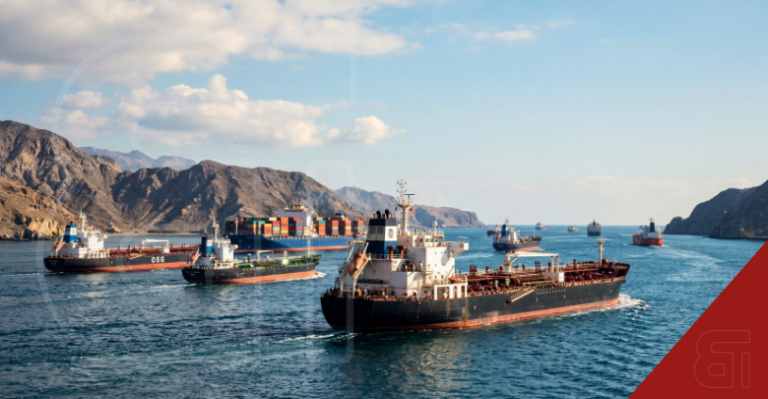
Global stock markets rally and crude oil drops following a proposed US peace plan for Iran.
Global supply chains felt an immediate sense of relief today. Traders reacted swiftly to a proposed American peace framework. Consequently, global stock markets surged alongside a notable dip in oil prices.
The United States reportedly sent a comprehensive 15-point peace plan to Iran. Tehran announced it would allow non-hostile vessels through the vital Strait of Hormuz. This crucial shipping lane typically handles a fifth of the world’s energy supplies.
Therefore, Brent crude benchmarks quickly fell below $100 per barrel early on Wednesday. Investors largely welcomed the potential easing of severe global supply constraints. Asian financial hubs responded with significant gains in their markets.
Japan’s Nikkei index closed up by nearly 3%. Similarly, Hong Kong’s Hang Seng added just over 1% during the trading session. European indices mirrored this positive economic momentum throughout the day.
London’s FTSE 100 finished the day up by 1.4%. Meanwhile, the German DAX and French CAC 40 both climbed roughly 1.3%. Wall Street also extended its recent gains across major indices.
The Nasdaq gained 0.7%, while the S&P 500 and Dow Jones increased by 0.6%. However, crude oil prices slightly rebounded later to hover around $100. Mixed signals emerged regarding actual diplomatic progress between Washington and Tehran.
Iranian officials subsequently denied participating in any direct talks since hostilities began. Nevertheless, senior Amundi manager Amelie Derambure noted a clearly positive market mood. She suggested that investors actively expect an imminent ceasefire agreement.
The recent Hormuz blockade created massive disruptions for international energy shipments. The International Energy Agency labelled it an unprecedented supply shock. Data from Tuesday showed only four ships navigating the narrow channel.
This figure represents a tiny fraction of the usual daily traffic. An average of 138 vessels registered daily transits before the conflict. Consequently, over 30 allied nations recently pledged to protect the crucial waterway.
These countries include the UK, France, Germany, and the United Arab Emirates. Moreover, Iran officially informed international maritime bodies about its new vessel policy. Ships completely uninvolved in hostile aggression may now pass safely.
Additionally, the strait remains vital for the global agricultural sector. One-third of global fertiliser shipments rely heavily on this route. Therefore, World Trade Organisation officials warned about severe threats to food security.
Any prolonged disruptions could drastically impact international food production systems.
(Source: The Guardian)
Read more on Finance News by heading to the 🔗 link.


