Pavel Durov claims tech competitors orchestrated the messaging block amidst nationwide exam controversies.
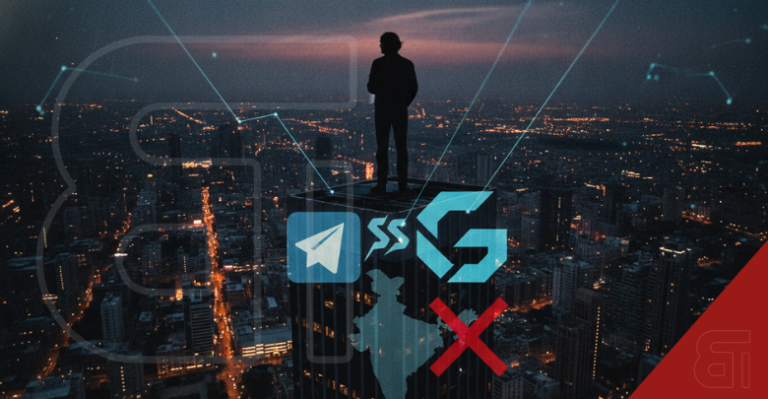
Telegram’s chief attributes the temporary restriction in India to lobbying by rival corporations and manipulation of internet routing.
The intersection of telecommunications infrastructure and corporate rivalry has recently come under intense public scrutiny in India. Consequently, the temporary restriction on a major messaging application has sparked significant debate. The platform approached the Delhi High Court to challenge this governmental block. A vacation bench agreed to an urgent hearing of the matter.
Furthermore, the chief executive of the messaging service formulated serious allegations against a major Indian conglomerate. He suggested that the conglomerate likely lobbied for the ban. Additionally, he linked this corporate manoeuvre to a global social media giant possessing a financial stake. This situation highlights an ongoing competitive struggle within the digital communications sector.
The technology executive accused the Indian corporation of deliberately disrupting international user access. He alleged that the firm hijacked specific internet routing protocols to deliberately misroute traffic. To maintain stable connectivity, he advised network operators to reject these unauthorised route announcements, warning that such exploitation of the global internet infrastructure remains deeply concerning.
Nevertheless, these severe allegations currently lack independent verification from technical authorities. An anonymous telecommunications industry source argued that the executive had confused two separate corporate entities. The source clarified that the global social media company merely holds a minority investment. Consequently, they asserted that conflating the parent company with its telecom branch spreads misinformation.
The broader context of this digital restriction involves recent controversies surrounding national medical entrance examinations. The government initially targeted the application to curb the circulation of compromised testing materials. However, the platform leader argued that this week-long restriction merely forces illicit activities onto other networks. He emphasised that punishing millions of ordinary citizens fails to address the actual perpetrators.
Software experts also scrutinised the technical mechanics behind the alleged educational leaks. One developer highlighted that the application previously allowed message alterations without visible indicators. Thus, bad actors could easily backdate messages to fabricate evidence of early exam access. They suggested that public authorities should simply explain this mechanism to eliminate widespread panic.
In response, the messaging company recently eliminated hundreds of channels distributing illicit materials. Moreover, the administrators promised to make editing labels highly visible to prevent future manipulation. The chief executive maintained that temporarily banning digital networks remains structurally ineffective. He cited past international examples in which young users simply bypassed restrictions by using virtual private networks.
Consequently, the sudden platform block disrupted critical preparation resources for countless honest students. Political leaders swiftly condemned the governmental intervention as a superficial remedy for deep-rooted corruption. One prominent opposition figure accused the ruling administration of penalising victims instead of the leak mafia. Ultimately, critics view the technical ban as an inadequate solution to a systemic educational crisis.
(Source: The Wire in)
Read more on Global Ties News by heading to the 🔗 link.