
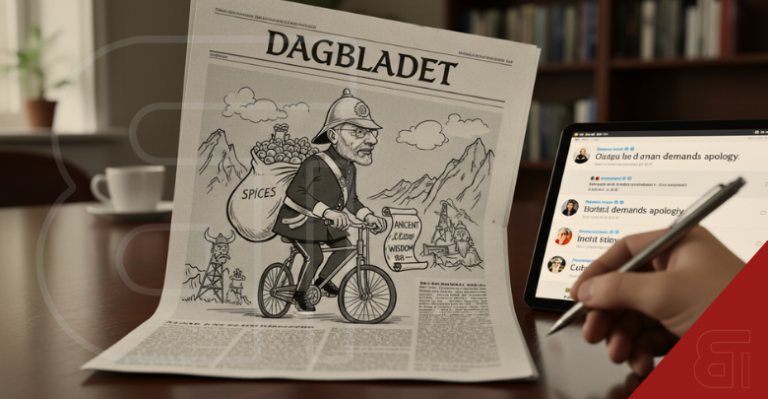
A diplomatic row ensues after a prominent publication depicts the Indian Prime Minister using outdated colonial stereotypes.
A controversial cartoon in Norway’s largest daily newspaper has sparked a massive cultural debate over media portrayal.
Global media dynamics often clash with cultural sensitivities. Consequently, a prominent Norwegian daily recently triggered a severe diplomatic dispute. Norway’s largest print publication, Aftenposten, published a contentious illustration. They depicted Indian Prime Minister Narendra Modi as a snake charmer.
This imagery quickly drew heavy criticism worldwide. Many observers condemned the artwork as a revival of colonial stereotypes. The cartoon featured the leader playing a traditional instrument. He appeared to charm a snake resembling a fuel nozzle.
Furthermore, this visual choice referenced recent petrol and diesel price hikes. The illustration accompanied an opinion piece about the Indian leader. Its Norwegian title translates to describe a clever yet annoying man. Thus, the publication sparked an intense cultural backlash online.
Currently, the Indian government has not issued an official response. However, this incident mirrors a similar controversy from October 2022. During that period, a Spanish newspaper used identical symbolism. They discussed the rapid economic expansion of the Asian nation.
Meanwhile, social media users fiercely debated the editorial decision. Several critics labelled the publication as xenophobic and disrespectful. They argued it twisted earlier statements made by the Prime Minister. Previously, he noted foreigners once viewed India through this exact lens.
During a 2014 New York speech, he highlighted a major transformation. He stated that the country evolved into a technology-driven nation. Therefore, citizens now charm computer mice instead of reptiles. This referenced the booming digital and information technology sectors.
Conversely, some commentators questioned the intense public outrage. They directed their criticism towards sections of the domestic press. These individuals suggested local journalists failed to ask difficult questions. Consequently, they claimed foreign media now fills that critical void.
Moreover, this artistic dispute follows another recent media incident. A Norwegian journalist previously challenged the Indian leader’s press access. She questioned his refusal to take questions during a joint appearance. This occurred alongside Norwegian Prime Minister Jonas Gahr Store.
Ultimately, a senior diplomat addressed these growing international frictions. He suggested foreign critics often misunderstand the sheer scale of India. Furthermore, he claimed detractors rely on reports from uninformed organisations. He noted the vibrant domestic media landscape constantly breaks news.
The official also defended the nation against human rights allegations. He pointed directly to robust constitutional guarantees and democratic institutions. Therefore, he affirmed that the legal framework ensures fundamental rights for all. This ongoing debate highlights the delicate balance of global journalism.
(Source: NDTV World)
Read more on Global Ties News by heading to the 🔗 link.