
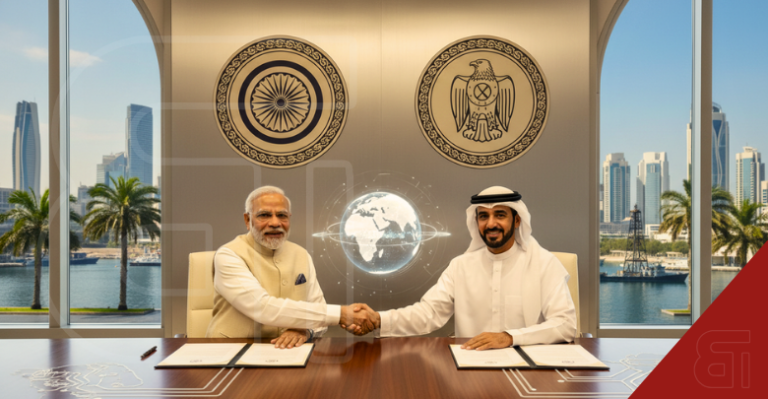
Prime Minister Modi reinforces strategic ties with Abu Dhabi to safeguard global energy supplies.
India and the UAE have formed vital energy and defence agreements to stabilise supply chains amid regional conflicts.
Global energy markets face significant disruption from ongoing conflicts in West Asia. Consequently, nations are actively seeking secure supply chains. Indian Prime Minister Narendra Modi recently visited Abu Dhabi. He aimed to stabilise crucial energy imports for India.
During this brief diplomatic mission, India and the UAE forged vital agreements. These deals focus heavily on fuel supply logistics. Furthermore, the two nations established a framework for a strategic defence partnership. This collaboration enhances maritime security and advanced technologies.
Regional tensions have severely impacted international shipping routes. The recent closure of the Strait of Hormuz has restricted vital energy flows. India typically relies on this waterway for massive liquefied petroleum gas imports. Therefore, the resultant supply crunch has affected numerous domestic sectors.
To mitigate these shortages, the Abu Dhabi National Oil Company negotiated a new memorandum. They plan to store up to 30 million barrels of crude oil. This reserve will sit within India’s strategic petroleum facilities. Additionally, the company will explore long-term gas supply deals with IndianOil.
These energy agreements build upon previous storage commitments made in 2018. However, the current geopolitical climate necessitates stronger bilateral cooperation. Modi expressed strong condemnation regarding recent retaliatory attacks directed at the UAE. He noted that targeting the Gulf nation remains entirely unacceptable.
The Indian leader praised the Emirates for displaying remarkable restraint and courage. Moreover, he emphasised the critical importance of keeping the Hormuz Strait open. Ensuring safe maritime passage stands as a major priority for both countries. Strict adherence to international maritime law is essential.
Beyond energy security, bilateral financial investments saw significant expansion. The Emirates NBD Bank pledged a $3 billion investment into India’s RBL Bank. Similarly, other major UAE financial institutions plan to fund Indian infrastructure. These massive financial commitments strengthen the economic bridge between the two nations.
The strategic defence framework also signals a shift in regional alliances. This crucial agreement includes joint military training and cyber defence collaboration. Previously, the UAE experienced rising diplomatic friction with neighbouring Saudi Arabia. Therefore, Abu Dhabi actively seeks to diversify its strategic security partnerships.
Modi concluded his brief diplomatic visit within three hours. Subsequently, he departed for the Netherlands to continue his European tour. This Middle Eastern stopover safely secured critical resources for India. Both nations successfully reinforced their mutual economic and security interests.
(Source: The WIRE)
To read more on Energy News, head to the 🔗 link.