Tech Hardware Surpasses E-commerce as the Primary Engine for Asian Aviation.
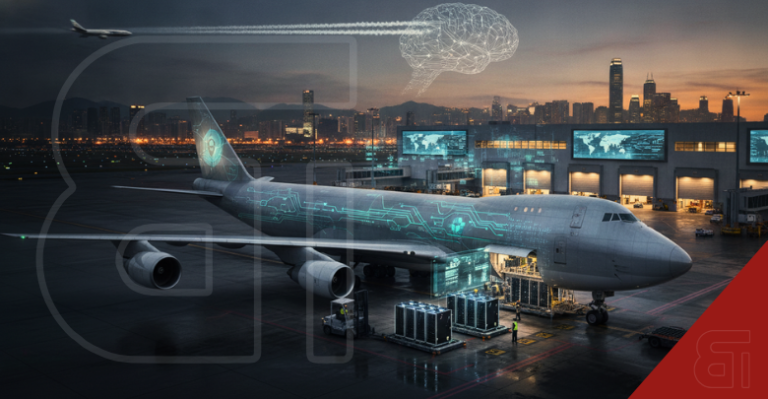
The global rush for artificial intelligence is currently transforming the logistical landscape across Asia. Consequently, major airlines are redesigning their networks to support booming semiconductor manufacturing hubs. Furthermore, this shift marks a significant decline in the momentum of cross-border e-commerce shipments. However, demand for AI infrastructure remains strong due to multi-year orders for advanced processors.
Additionally, logistics firms report that hundreds of billions are currently flowing into new data centres. Meanwhile, tighter import regulations in Western markets are dampening the traditional fast-fashion trade. Therefore, Niall van de Wouw from Xeneta noted that e-commerce is no longer the primary growth pillar. Consequently, carriers like Korean Air are adapting to this new high-tech reality.
Korean Air recently experienced a forty-six per cent surge in cargo revenue during the second quarter. This growth reached 1.54 trillion won, which equates to approximately 1.07 billion dollars. Specifically, AI chips and server racks have effectively replaced Chinese e-commerce as their main driver. Moreover, Jaedong Eum confirmed that high-tech cargo has rapidly expanded into a core growth component.
Orders for high-bandwidth memory chips now stretch several years into the future. Global semiconductor sales reached record growth levels throughout April of this year. In contrast, Chinese low-value exports fell for the sixth consecutive month during May. This trend follows the end of duty-free treatment for low-value imports in America.
Similarly, the European Union recently abolished its own duty-free threshold for such goods. Therefore, these regulatory changes have significantly impacted retailers like Shein within the American market. Thus, ANA Holdings suggested that the EU move presents a downside risk for broader markets. Nevertheless, semiconductor shipments remain exceptionally strong across the entire Asian region.
Trade routes are now shifting toward specialist equipment hubs in Japan and Taiwan. Vietnam and Malaysia are also emerging as vital assembly locations for servers. As a result, Lim Ching Kiat from Changi Airport highlighted strong growth driven by global chip demand. Airlines are reorganising their fleets around these specific high-value flows.
Japan Airlines reported that technology products now comprise eighty per cent of export increases. Carriers have expanded freighter services linking Taipei and Bangkok with major Japanese hubs. Simultaneously, ANA is currently integrating Nippon Cargo Airlines to bolster its trans-Pacific routes. China Airlines has added more Southeast Asia flights to diversify production capacity.
Furthermore, EVA Airways stated that AI shipments now account for half of its cargo revenue. Most importantly, airlines explain that AI hardware requires more delicate handling than traditional freight. Shipments frequently include sensitive processors and complete server racks weighing several tonnes. Additionally, IATA estimates that AI goods currently represent over half of total cargo value.
However, these high-value items take up only seven per cent of actual cargo volume. Therefore, the compact nature of AI hardware makes air transport a worthy premium investment. Consequently, Cathay Pacific has introduced new software to manage the loading of sensitive equipment. This technology automatically determines how to secure high-value hardware inside aircraft cabins.
Currently, this surge is stretching infrastructure to its limits in hubs like Taipei. Dimerco Express Group noted that freight space remains tight on routes to America. Ultimately, industry experts anticipate that this strong demand will persist well into next year. Therefore, Korean Air expects these long-term infrastructure commitments to sustain cargo volumes through 2026.
(Source: Reuters)
Read more on Technological News by heading to the 🔗 link.